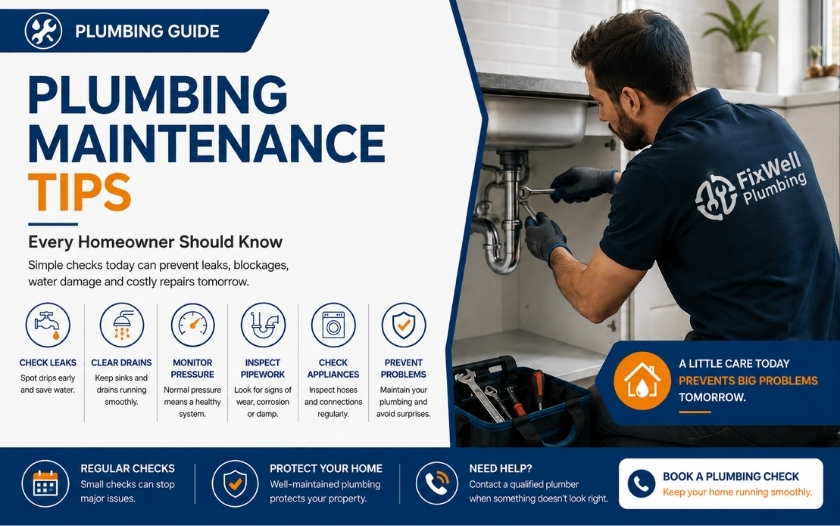
Plumbing problems often start small, but they can quickly become expensive if left unnoticed. A dripping tap, slow drain, leaking pipe, or change in water pressure may seem minor at first, yet these early warning signs can lead to water damage, higher bills, or more serious faults.
Regular plumbing maintenance helps you spot issues sooner and keep your home’s system working properly throughout the year. Simple checks around taps, toilets, pipework, radiators, and appliance connections can make a noticeable difference and help reduce avoidable repairs.
At FixWell Plumbing, we provide reliable local plumbing support in Ealing and nearby areas, helping homeowners keep their plumbing in good condition and address developing faults before they become more disruptive.
Key Takeaways
|
Why is Plumbing Maintenance Important?
Plumbing maintenance is important because it helps identify leaks, worn fittings, drainage issues and other developing faults before they cause more serious damage.
- Spot Leaks Early: Small drips or damp areas can develop into larger leaks if they are ignored.
- Prevent Water Damage: Checking pipework and fittings can reduce the risk of damage to floors, walls and cabinets.
- Reduce Water Waste: Leaking taps, toilets and connections can waste water over time.
- Identify Pressure Change: Unusual changes in water pressure can indicate an issue that needs attention.
- Reduce Unexpected Repairs: Finding minor faults early can prevent them from developing into more disruptive plumbing problems.
- Keep Fixtures Working Properly: Regular checks can help taps, toilets, valves and other plumbing components stay in good condition for longer.
In our experience at FixWell Plumbing, many plumbing issues become more difficult to address when early warning signs are overlooked. Paying attention to small changes can make it easier to identify the cause and arrange the right repair before the problem gets worse.
16 Plumbing Maintenance Tips to Prevent Common Problems
The most important plumbing maintenance tips include checking taps and pipework for leaks, keeping drains clear, avoiding fat and oil in sinks, testing the main stopcock, and dealing with recurring faults early. Following these steps can help prevent blockages, leaks, water damage, wasted water, and unexpected plumbing repairs.
1. Check Taps for Drips and Leaks
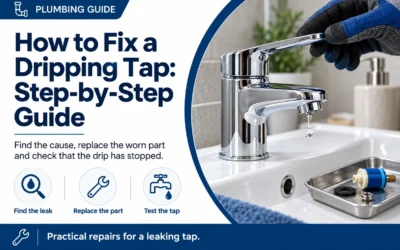
A dripping tap can waste water and often indicates that a washer, seal, cartridge, or another internal component has started to wear. Check kitchen, bathroom, utility room and outdoor taps from time to time, especially if water continues to drip after the tap has been fully turned off.
For example, an occasional drip may seem minor at first, but it can become more frequent and increase water use over time. If the drip continues, check the cause rather than repeatedly tightening or forcing the handle.
2 .Inspect Visible Pipework for Damage
Check exposed pipework for corrosion, cracks, loose joints, damaged fittings, or signs that the pipe itself is deteriorating. Pay particular attention to older pipework, joints, valves, and areas where pipes change direction.
If you notice corrosion, a damaged joint, or deterioration around a fitting, arrange an inspection before the problem develops into a leak or pipe failure.
3. Check Under Sinks and Around Cabinets for Moisture
Leaks beneath sinks can remain unnoticed because the area is often hidden behind stored items or inside cabinets. Check the base and back of kitchen and bathroom cupboards for dampness, swelling, discolouration, peeling surfaces, or musty smells.
These signs can indicate that water is escaping from a trap, hose, waste connection, or supply fitting, even when you cannot see an active drip.
4. Keep Kitchen and Bathroom Drains Clear
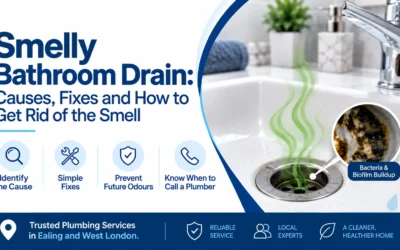
Keep kitchen and bathroom drains clear by removing hair, food scraps, soap residue and other debris before it builds up inside the waste pipe. Using a sink strainer in the kitchen and a drain cover in the bathroom can help catch material before it causes a blockage.
If water starts draining more slowly than usual, remove any accessible buildup before the restriction becomes worse.
5. Avoid Pouring Fat and Oil Down the Sink
Do not pour cooking fat, grease, or oil down the kitchen sink. As these substances cool, they can stick to the inside of waste pipes and gradually restrict water flow.
Allow leftover grease to cool before placing it in a suitable container for disposal. Wiping greasy pans with kitchen paper before washing them can also reduce the amount entering the drainage system.
6. Watch for Changes in Water Pressure
Pay attention if your water pressure suddenly becomes weaker, stronger or inconsistent, as this can indicate a change within the plumbing system. Low pressure may result from a partially closed valve, blocked outlet, leak or an issue with the incoming supply.
For example, if only one tap has weak flow, the problem may be limited to that fixture. If several taps or showers lose pressure at the same time, the cause is more likely to affect a wider part of the system and should be investigated.
7. Check Toilets for Continuous Water Flow
After flushing, the water should stop once the cistern has finished refilling. If water continues to enter the bowl, there may be an issue with the fill valve, flush valve or internal seal.
Check for ongoing water sounds or movement in the bowl when the toilet is not being used. If the issue continues, arrange a repair to avoid unnecessary water waste.
8. Inspect Washing Machine and Dishwasher Hoses
Check washing machine and dishwasher hoses for cracks, bulges, corrosion around the fittings or dampness near the connections. Flexible hoses can weaken over time, particularly where they are tightly bent or compressed behind an appliance.
Replace any hose that shows visible damage or deterioration before it fails and causes a leak behind the appliance.
9. Locate and Test Your Main Stopcock
Know where your main stopcock is and check that you can access it easily in an emergency. It is commonly found under the kitchen sink, beneath the stairs, in a utility area or close to where the mains water supply enters the property.
Turn it gently from time to time to make sure it has not seized. If it feels unusually stiff or does not move, do not force it. Ask a plumber to inspect or replace it before you need to shut off the water urgently.
10. Check Radiators and Heating Pipework
Inspect radiator valves, visible joints and nearby pipework for leaks, corrosion, staining or other signs of moisture. Small leaks do not always form an obvious puddle, so rust marks or discolouration can also indicate a developing issue.
If a radiator repeatedly loses pressure, develops cold spots or needs bleeding more often than usual, have the wider heating system checked rather than dealing with each symptom separately.
11. Check Sealant Around Sinks, Baths, and Showers
Sealant helps keep water from entering the gaps between fixtures, walls and work surfaces. Over time, it can crack, shrink or pull away, allowing moisture to reach the areas behind or beneath the fitting.
Check around baths, shower trays, sinks and splashbacks for damaged or missing sections. Replacing worn sealant early can help protect plaster, timber, flooring and cabinets from repeated moisture exposure.
12. Insulate Pipework in Unheated Areas
Check pipework in lofts, garages, utility spaces, and other unheated parts of the property before colder weather arrives. Suitable pipe insulation can reduce heat loss and lower the risk of water freezing inside vulnerable pipes.
Make sure existing insulation remains secure and covers the pipe properly. Replace sections that have become damaged, loose, or missing.
13. Pay Attention to Unusual Plumbing Noises
New sounds from pipes, taps, toilets, or drains can provide useful clues about what is happening in the system. Banging, whistling, gurgling, knocking, or vibrating noises may be linked to pressure changes, trapped air, loose pipework, or drainage problems.
A drain that starts gurgling after water is released from a sink or bath can sometimes suggest restricted airflow or a developing blockage. Repeated noises deserve attention, especially if they appear alongside slow drainage or pressure changes.
14. Monitor Your Water Bill for Unexplained Increases
Keep an eye on your water bill and compare usage with previous periods. A noticeable increase without a clear change in household habits can sometimes indicate a leak or another source of unnecessary water loss.
Check taps, toilets, appliance connections and outdoor plumbing if usage rises unexpectedly. If you cannot identify the cause, a plumber may need to inspect for a concealed leak.
15. Inspect Outdoor Taps Before and After Winter
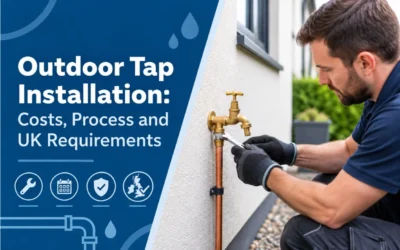
Check outdoor taps, garden connections, and external fittings before and after colder weather. Look for cracks, drips, loose fittings, frost damage, or water escaping around the point where the pipe enters the property.
Pay particular attention to outdoor taps that have not been used for several months, as damage may only become obvious when the water supply is turned on again.
16. Get Recurring Plumbing Problems Checked Early
If the same leak, blockage, pressure issue or drainage fault keeps returning, there may be an underlying problem that a temporary fix will not resolve. Repeated issues can result from damaged pipework, worn fittings, poor drainage or another fault elsewhere in the system.
Arrange a professional inspection if the problem continues, so the cause can be identified, and the right repair carried out.
Essential Plumbing Maintenance Checklist
A plumbing maintenance checklist should cover leaks, drains, toilets, water pressure, pipework, appliance hoses, radiators, outdoor taps, and the main stopcock. Regular checks can help prevent common faults, reduce unexpected repairs, and lower the risk of common plumbing emergencies.
| When to Check | What to Inspect |
|---|---|
| Monthly | Check taps, toilets, visible pipework, and areas under sinks for drips, leaks, dampness, or staining. |
| Every few months | Inspect drains, appliance hoses, radiator valves, and water pressure for any changes or signs of wear. |
| Before winter | Check exposed pipework, outdoor taps, and insulation in colder areas to reduce the risk of freezing or burst pipes. |
| Periodically | Test the main stopcock and inspect sealant around baths, showers, sinks, and hot water connections. |
| As soon as you notice a warning sign | Investigate unusual noises, slow drainage, recurring leaks, pressure changes, or unexplained increases in water use |
What Plumbing Maintenance Can You Safely Do Yourself?
Homeowners can safely handle basic plumbing maintenance that involves visual checks, simple cleaning, and monitoring, as long as no pipework or plumbing components need to be dismantled or altered.
- Checking taps and visible pipework for leaks.
- Looking under sinks and around cabinets for moisture.
- Removing hair and debris from accessible drain covers.
- Monitoring toilets for continuous water flow.
- Inspecting washing machine and dishwasher hoses.
- Checking sealant around sinks, baths, and showers.
- Locating and gently testing the main stopcock.
- Checking outdoor taps and exposed pipes before winter.
FixWell Plumber Tip: Note any changes such as a new drip, slower drainage, low water pressure, unusual noise, or damp patch. If the issue continues, share these details with a plumber to help identify the cause, or get a free quote from FixWell Plumbing.
What Plumbing Maintenance Should Be Left to a Plumber?
Plumbing maintenance should be left to a plumber when it involves damaged pipework, recurring leaks, pressure problems, concealed faults, or repairs that require changes to the plumbing system. You should call a plumber for:
- Recurring leaks that return after a basic repair or continue appearing around the same area.
- Concealed leaks inside walls, floors, ceilings, or cabinets where the source is difficult to identify.
- Damaged or corroded pipework that needs to be repaired, replaced, or altered.
- Ongoing water pressure problems affecting several taps, showers, or fixtures.
- Repeated drain blockages that keep returning after simple cleaning.
- Hot water system faults involving cylinders, valves, pipework, or other connected components.
- Radiator and heating pipework issues such as repeated pressure loss, leaks, or circulation problems.
- Burst pipes or major leaks that require urgent repair and isolation of the water supply.
- Plumbing alterations or new connections where pipework needs to be moved, extended, or replaced.
FixWell Plumber Tip: If the same problem keeps returning, avoid relying on temporary fixes. A professional inspection can help identify the underlying cause and prevent further damage. FixWell Plumbing provides leak detection and repair services for hidden, recurring, and difficult-to-locate leaks.
What Does a Plumber Check During Plumbing Maintenance?
During plumbing maintenance, a plumber checks water pressure, stopcocks, isolation valves, pipe joints, drainage flow, taps, toilets, appliance connections and heating pipework for faults or poor operation.
- Water pressure across different outlets.
- Stopcocks and isolation valves to make sure they operate correctly.
- Pipe joints and fittings for corrosion, wear or deterioration.
- Drainage flow for restrictions or slow waste movement.
- Taps and toilets for operational faults.
- Appliance connections for damaged or worn fittings.
- Radiator valves and heating pipework for circulation or pressure issues.
- Previous repairs or concealed faults where problems keep returning.
From our experience, comparing symptoms across different parts of the plumbing system can help narrow down the cause. For example, pressure changes at several outlets may indicate a wider issue rather than a fault with one tap or fixture.
How to Choose the Right Plumbing Company for Maintenance?
Choose a plumbing company with relevant experience, clear pricing, suitable insurance, strong local reviews, and a proven record of handling different types of plumbing services. A reliable plumber should also explain the problem clearly, recommend the right repair, and avoid unnecessary work.
- Relevant Experience: Choose a plumber who regularly works on domestic leaks, pipework, drainage, radiators, hot water systems, and general maintenance.
- Proper Insurance: Check that the company carries appropriate public liability insurance before work begins.
- Good Local Reviews: Recent reviews can give you a clearer idea of reliability, workmanship, communication, and customer service.
- Clear Pricing: Ask for a clear quote so you understand the likely cost before agreeing to the work.
- Clear Communication: A good plumber should explain what has caused the issue, what work is needed, and how you can reduce the risk of it happening again.
At FixWell Plumbing, we provide professional plumbing services in Ealing and nearby areas, helping homeowners with routine maintenance, repairs, leaks, pipework, radiators, and other common plumbing needs.
Conclusion
Regular plumbing maintenance helps homeowners keep their system working efficiently and reduce the risk of avoidable problems. Checking taps, drains, toilets, pipework, radiators, appliance hoses, and water pressure at suitable intervals can help prevent leaks, blockages, water damage, and unnecessary repair costs.
Some maintenance tasks are simple to manage yourself, but hidden leaks, damaged pipework, recurring drainage problems, and ongoing pressure issues need professional inspection. FixWell Plumbing provides reliable plumbing services, including leak detection, radiator and heating pipework, tap repairs, and more. Our experienced plumbers can diagnose the cause, carry out the right repair, and help prevent the same issue from returning, providing professional support across Ealing and nearby areas.
If you need help with a plumbing problem or want professional advice on maintaining your system, contact us to arrange a visit or request a free quote.
FAQs
What plumbing maintenance should homeowners do regularly?
The plumbing maintenance homeowners should do regularly includes checking taps and toilets for leaks, checking appliance hoses, monitoring water pressure and looking for moisture under sinks. Homeowners should also inspect radiator valves, sealant and exposed pipes, especially before winter.
How often should plumbing maintenance be done?
Basic plumbing maintenance should be done regularly throughout the year, with monthly checks for leaks and moisture, and seasonal checks before winter for exposed pipes and outdoor plumbing.
Can regular plumbing maintenance prevent leaks?
Yes, regular plumbing maintenance can reduce the risk of leaks by identifying worn fittings, damaged hoses, loose connections and early signs of pipe deterioration before they worsen.
Is annual plumbing maintenance necessary?
An annual plumbing check can be useful, particularly in older properties or homes with recurring leaks, pressure issues or ageing pipework. However, homeowners should also carry out simple checks throughout the year.
Can plumbing maintenance extend the life of pipes and fixtures?
Yes. Regular plumbing maintenance can help pipes, taps, valves and fixtures last longer by identifying leaks, corrosion and wear before they cause further damage.
What are the first signs of a plumbing problem?
Early signs of a plumbing problem can include dripping taps, damp patches, slow drains, unusual pipe noises, changes in water pressure, continuous toilet flow or an unexplained increase in water use.